


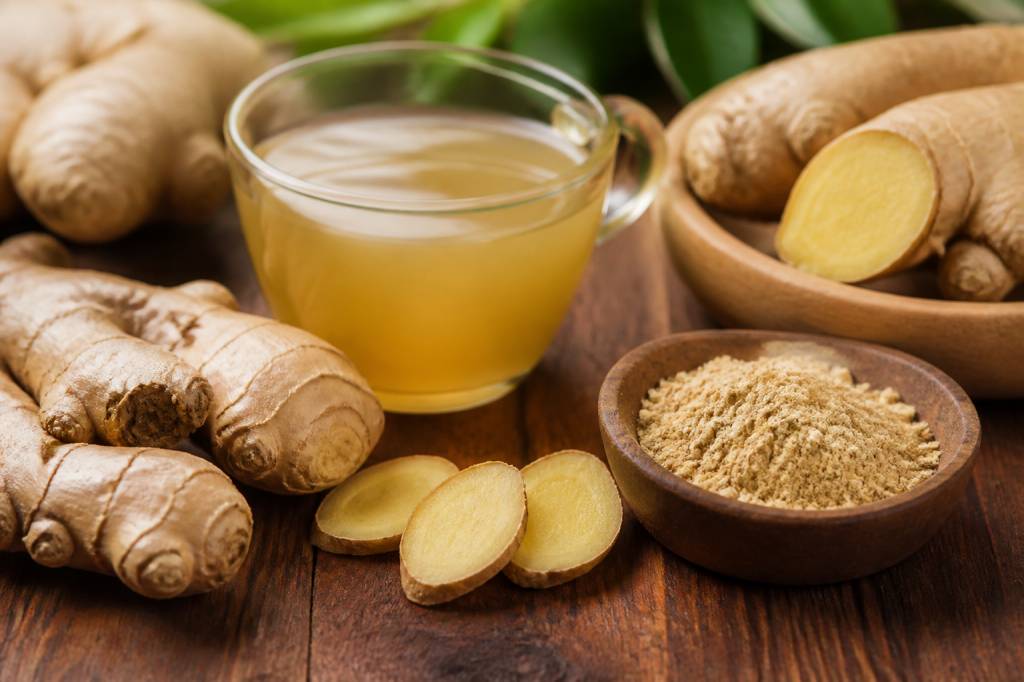
Ginger is one of those rare ingredients that punches way above its weight. Small root, huge impact. In the kitchen, it brings heat. In the body, it brings momentum. And if you’re the kind of person who wants more energy, better recovery, and fewer “why do I feel so flat today?” moments, ginger deserves a serious spot in your routine.
For athletes, busy professionals, and anyone trying to keep their engine running clean, ginger is more than a spice. It’s a tool. A simple, affordable, natural one. And the best part? You don’t need a complicated protocol to use it. A tea, a shot, a grated spoonful in food, even a few slices in water can make a difference.
Let’s go straight into the benefits that matter.
Why ginger is such a strong ally for health and energy
Ginger contains bioactive compounds like gingerol, shogaol, and zingerone. These are the molecules behind its sharp taste and many of its health effects. They help support digestion, reduce inflammation, and protect the body from oxidative stress. In plain English: ginger helps your system work smoother, so you waste less energy fighting internal drag.
That matters whether you’re training hard, recovering from a tough session, or just trying to survive a long day without crashing at 3 p.m.
20 benefits of ginger for health and energy
- Supports digestion — Ginger helps stimulate digestive enzymes and promotes smoother breakdown of food. Less heaviness after meals often means more usable energy afterward.
- May reduce bloating — If your stomach feels like a balloon after lunch, ginger can help ease that uncomfortable fullness. A calmer gut often means a lighter, more active feeling.
- Helps with nausea — This is one of ginger’s best-known strengths. Travel sickness, morning nausea, or post-workout queasiness: ginger has a long track record here.
- Supports quicker recovery — Ginger’s anti-inflammatory properties may help reduce muscle soreness after intense training. That means less stiffness and a better chance of showing up strong the next day.
- May help reduce inflammation — Chronic low-grade inflammation can drain energy quietly. Ginger may help keep that fire under control.
- Supports immune defense — Ginger is often used during cold season because it can support the body’s natural defenses. A body that stays healthier tends to stay more energetic.
- Can warm the body — Ginger has a naturally warming effect. On cold mornings, that kick can feel like a small ignition switch for the system.
- May improve circulation — Better circulation helps deliver oxygen and nutrients where they’re needed. That’s a big deal when energy is the goal.
- Can help manage oxidative stress — Ginger contains antioxidants that help neutralize free radicals. Less oxidative stress often means better overall vitality.
- May support endurance — Some people use ginger as part of their pre-training routine because it may help the body handle physical stress more efficiently.
- Helps settle the stomach before exercise — Training on a rebellious stomach is no fun. Ginger can be a smart option before workouts if you’re prone to digestive discomfort.
- May support blood sugar balance — Stable blood sugar levels are essential for steady energy. Ginger may help support that balance as part of a healthy diet.
- Can reduce the “food coma” feeling — Heavy meals can flatten you fast. Adding ginger to meals may make digestion feel less sluggish and help you avoid that post-lunch crash.
- May support brain function indirectly — When circulation, inflammation, and energy metabolism improve, your focus often benefits too. A clearer head is part of the performance equation.
- Can help with menstrual discomfort — Many women use ginger to ease period-related cramps and discomfort. Less pain can mean more energy to move, work, and train.
- May support heart health — Ginger is often studied for its potential role in cardiovascular wellness. A healthier cardiovascular system supports long-term stamina and energy.
- Can be a low-calorie flavor boost — If your meals need excitement without adding sugar or excess calories, ginger brings intensity without the baggage. Clean fuel, sharper taste.
- May help with appetite regulation — Some people find that ginger helps them feel more balanced around meals. That can reduce random snacking and energy dips tied to overeating.
- Pairs well with hydration — Ginger in water or tea makes hydration less boring, which is not a small thing. If flavor helps you drink more, your energy stays better supported.
- Fits easily into daily routines — This is a practical benefit, and it matters. The best health habit is the one you actually repeat. Ginger is simple enough to become a habit fast.
How ginger can help energy without acting like a stimulant
Ginger is not a caffeine bomb. It won’t hit like a double espresso before a 6 a.m. session. But that’s the point. It supports energy in a steadier way.
Instead of creating a spike and a crash, ginger helps reduce the friction that makes you feel tired in the first place: slow digestion, inflammation, poor circulation, nausea, and that general “my body is working against me” sensation. Think of it like tuning a bike chain before a race. You’re not adding brute force. You’re removing resistance.
That kind of energy support is especially useful if you already rely on coffee, pre-workout, or long workdays. Ginger can complement those tools by helping your system feel less taxed.
Best ways to use ginger every day
You don’t need to chew raw ginger like some kind of endurance monk. There are easier ways to get the benefits.
- Ginger tea — Steep fresh slices in hot water for 10 to 15 minutes. Add lemon or honey if you want a smoother taste.
- Fresh grated ginger in meals — Add it to stir-fries, soups, marinades, or salad dressings. It wakes up bland food fast.
- Smoothies — A small piece of fresh ginger can add a sharp kick to fruit or green smoothies.
- Ginger shots — Strong, concentrated, and not for the faint-hearted. Great if you want a quick morning routine.
- Infused water — Toss a few slices into your bottle for a subtle flavor upgrade.
- Powdered ginger — Useful for baking, oats, or quick seasoning when fresh ginger isn’t available.
If you train in the morning, ginger tea before exercise can be a smart move. If you feel heavy after meals, ginger tea after lunch may help. If you get motion sickness, a ginger capsule or tea before travel is often used by people looking for natural support.
What makes ginger especially valuable for active people
Active bodies are demanding. They burn fuel, create stress, need recovery, and occasionally complain loudly. Ginger fits into that picture because it supports several parts of the chain at once.
First, it helps the gut. And when digestion is smoother, nutrients are absorbed better and energy feels more stable. Second, it helps with inflammation, which matters after training sessions, long runs, hard lifts, or competitive play. Third, it supports circulation and a feeling of internal warmth, which many people notice when they’re starting the day or recovering from fatigue.
In other words, ginger isn’t just about “being healthy.” It can also be a small performance edge. Not magic. Not hype. Just useful.
Ginger in real life: simple examples
Picture a runner heading out for an early session. Coffee is fine, but coffee on an empty stomach sometimes feels like a gamble. Ginger tea is gentler. It may settle the stomach and create a more comfortable start.
Or imagine someone at the office after lunch, fighting the classic energy dip. Instead of reaching for a third pastry and hoping for a miracle, they drink ginger tea and go for a short walk. The combination can be enough to cut through the slump.
Another common scenario: a hard leg day leaves your body tight and sore the next morning. Ginger won’t replace sleep, protein, or smart programming, but it may support recovery and make movement feel less punishing.
Things to keep in mind before going all in
Ginger is generally well tolerated, but moderation matters. More is not always better, especially if you have a sensitive stomach. Very large amounts can sometimes cause irritation or heartburn in some people.
If you take medication, especially for blood thinning, diabetes, or blood pressure, it’s wise to check with a healthcare professional before using ginger regularly in medicinal amounts. Food-level use is one thing; concentrated supplements are another.
And yes, fresh ginger can be intense. That’s part of the charm. But you do not need to prove toughness by swallowing half a root at once. Start small. See how your body responds. Then adjust.
A simple daily ginger habit that actually sticks
If you want to keep it easy, try this:
In the morning, drink a cup of ginger tea or add grated ginger to your breakfast smoothie. At lunch, use it in a dressing or soup. In the evening, have another tea if you want a calming, warming routine.
That’s it. No drama. No complicated tracking. Just a small habit that can support energy, digestion, recovery, and general resilience over time.
Fitness is often built on the flashy stuff: intervals, weights, macros, metrics. But the quiet details matter too. The ingredients that keep your system moving. The habits that reduce drag. Ginger is one of those small wins with a surprisingly big payoff.
If you’re looking for a natural way to support your health and keep your energy steadier, ginger is a strong contender. Not because it promises to transform you overnight, but because it helps the body do what it already wants to do: function better, recover faster, and stay ready for the next effort.