


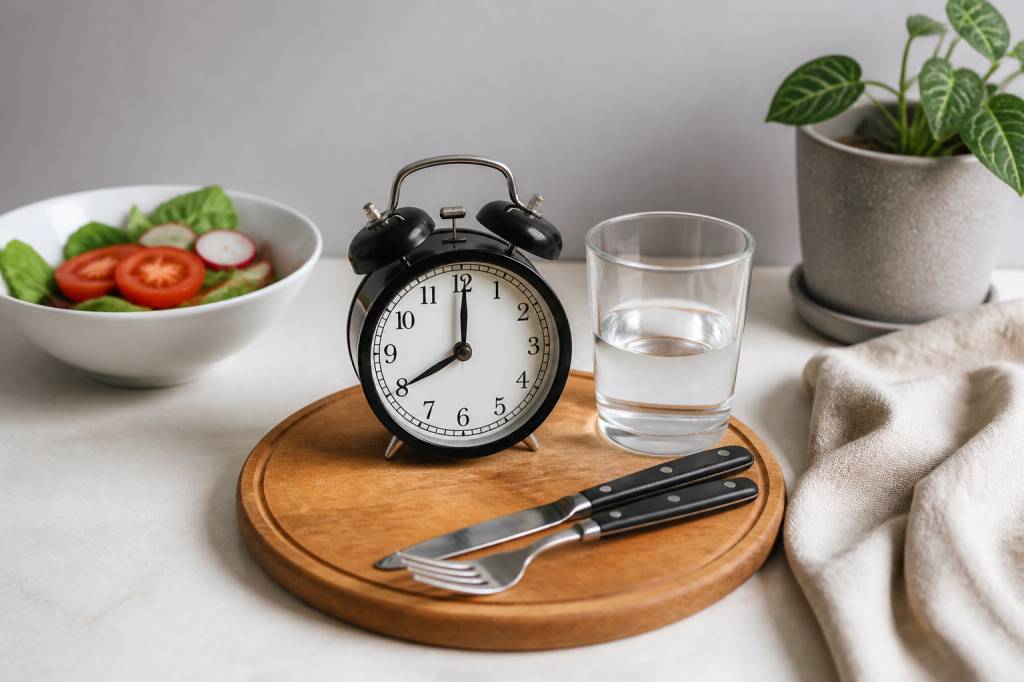
A 24-hour fast sounds simple: eat dinner, skip the next day’s meals, then eat dinner again. In practice, it is a real stress test for your routine, your appetite, and your relationship with food. Done thoughtfully, it may help some people simplify their eating schedule and become more aware of hunger cues. Done carelessly, it can leave you dizzy, irritable, dehydrated, or raiding the kitchen like it owes you money.
This guide explains how a 24-hour intermittent fast works, what benefits are realistic, which risks deserve attention, and how to approach the process without turning it into a battle of willpower. Think of it as a controlled training session—not a punishment and definitely not a shortcut to fitness.
What is a 24-hour fast?
A 24-hour fast means going without calories for one full day between two meals. The most common version is dinner-to-dinner. For example, you finish dinner at 7 p.m. on Monday and eat your next dinner at 7 p.m. on Tuesday.
Other approaches include breakfast-to-breakfast or lunch-to-lunch. The clock matters less than the full fasting period and your ability to maintain a normal, balanced routine around it.
During the fasting window, most people drink water, sparkling water, black coffee, or unsweetened tea. Milk, sugar, juice, smoothies, alcohol, and snacks contain calories and generally break the fast.
It is also important to separate a 24-hour fast from a dry fast. Dry fasting means avoiding fluids as well as food. That approach increases the risk of dehydration and is not a sensible strategy for general health or athletic performance.
What happens inside your body?
After a meal, your body uses glucose from the food you have eaten and stores some of it as glycogen in the liver and muscles. As the hours pass without food, insulin levels generally decrease and the body begins drawing more heavily on stored energy.
By the later stages of a 24-hour fast, liver glycogen stores may be running lower, and the body can increase its use of fat for energy. Some people also produce more ketones, which can be used by the brain and muscles. The exact timing varies according to your last meal, activity level, metabolism, sleep, stress, and previous eating habits.
That does not mean a magical switch flips at hour 24. Human physiology is not a light switch. A fast may change fuel use, but it does not automatically erase excess calories, repair every metabolic issue, or guarantee fat loss.
Potential benefits of a 24-hour fast
Research on intermittent fasting is promising in some areas, but results differ from person to person. Many benefits associated with fasting may also come from eating fewer calories overall, improving food quality, or creating a more consistent routine.
- Greater awareness of hunger: A planned fast can help you notice the difference between physical hunger, boredom, habit, and emotional eating.
- A simpler eating schedule: Some people enjoy having fewer meals to plan, prepare, and clean up.
- Possible support for weight management: If a 24-hour fast reduces your weekly calorie intake without triggering overeating later, it may assist with weight loss.
- Improved metabolic markers: Some studies suggest intermittent fasting can support blood glucose control, insulin sensitivity, blood pressure, and triglyceride levels in certain adults.
- Potential increase in fat oxidation: As stored carbohydrate becomes less available, the body may rely more on fat for fuel.
- Mindful eating: Breaking a fast encourages you to pay attention to portion size, food quality, and how quickly you eat.
Notice the wording: “may,” “possible,” and “in some people.” Fasting is a tool, not a trophy. The best eating pattern is the one that supports your health, training, energy, and long-term consistency.
Who should avoid a 24-hour fast?
A full-day fast is not appropriate for everyone. Speak with a doctor or registered dietitian before fasting if you have a medical condition, take medication, or have a history of disordered eating.
Fasting may be unsafe or unsuitable for:
- People with diabetes, especially those using insulin or medications that can cause low blood sugar.
- Anyone who is pregnant or breastfeeding.
- Children and teenagers who are still growing.
- People who are underweight or struggling to meet their nutritional needs.
- Individuals with a current or previous eating disorder.
- People with kidney, liver, or heart conditions.
- Anyone taking medication that must be taken with food.
- People recovering from illness, surgery, or a significant injury.
- Athletes preparing for competition or training at high volume without professional guidance.
Do not treat fasting as a test of character. If your body is sending warning signals, listening is not weakness; it is intelligent training.
How to prepare for your first 24-hour fast
The best fast begins before the fasting window. Jumping into a full day after eating irregularly, sleeping badly, and surviving on caffeine is a reliable way to feel terrible.
- Choose a low-pressure day: Your first attempt should not coincide with a long run, a demanding work presentation, travel, or a night shift.
- Eat normally beforehand: Do not “stock up” with a huge meal. Excessive eating can cause bloating, reflux, and a blood sugar roller coaster.
- Build a balanced final meal: Include protein, high-fiber carbohydrates, vegetables, healthy fats, and fluids.
- Sleep well: Poor sleep increases cravings and makes hunger feel louder.
- Reduce alcohol: Alcohol can worsen dehydration and make appetite control harder.
- Plan your next meal: Decide in advance what you will eat when the fast ends. Hunger is a poor nutrition coach.
A practical pre-fast dinner might include grilled salmon or tofu, roasted vegetables, brown rice or potatoes, olive oil, and water. It is satisfying without being a food marathon.
What you can drink during the fast
Hydration is one of the most important parts of a 24-hour fast. Drink water regularly, but do not force enormous amounts. Clear or pale-yellow urine is usually a reasonable sign that you are hydrated, although urine color is not a perfect medical measure.
- Still or sparkling water.
- Black coffee, if you already tolerate caffeine well.
- Unsweetened green, black, or herbal tea.
- Water with ice or a slice of lemon, provided you are comfortable with a minimal amount of flavor and calories.
Caffeine deserves caution. Coffee may blunt appetite for a while, but too much can increase anxiety, heart palpitations, stomach discomfort, or sleep problems. Do not use six cups of coffee to sprint away from hunger. That is not strategy; that is an argument with your nervous system.
Electrolytes can become relevant for people who sweat heavily, live in hot conditions, or are physically active during the fast. Choose products carefully, because many electrolyte drinks contain sugar or calories. If you have high blood pressure, kidney disease, or take medication, ask a healthcare professional before increasing sodium or other minerals.
Exercise during a 24-hour fast
Light movement is usually easier to manage than intense training. Walking, gentle yoga, mobility work, and easy cycling may be appropriate if you feel well.
High-intensity intervals, heavy strength sessions, long runs, and hard sports practice are different. Performance may suffer because you have less readily available carbohydrate, and the risk of dizziness or poor coordination can increase.
If you decide to train, keep the session shorter and lower in intensity than usual. Avoid personal records. A fast day is not the moment to chase a new deadlift or attack the final hill like a cyclist in the Tour de France.
Stop exercising if you experience weakness, shaking, confusion, nausea, blurred vision, chest discomfort, unusual shortness of breath, or light-headedness. Sit down, hydrate, and end the fast if needed. Your workout will still be there tomorrow.
How to break a 24-hour fast
Breaking the fast is where many good intentions leave the track. After a full day without food, a huge meal eaten quickly can cause cramps, bloating, nausea, reflux, and fatigue.
Start with a moderate meal and eat slowly. A useful structure includes:
- A source of protein, such as eggs, yogurt, chicken, fish, beans, lentils, or tofu.
- Fiber-rich carbohydrates, such as oats, potatoes, quinoa, fruit, or whole-grain bread.
- Vegetables or other nutrient-dense produce.
- A moderate amount of healthy fat, such as avocado, nuts, seeds, or olive oil.
- Water, rather than alcohol or a large sugary drink.
For example, you could break the fast with a vegetable omelet, whole-grain toast, fruit, and yogurt. Another option is a bowl containing rice, beans, vegetables, chicken or tofu, and a small amount of avocado.
Give yourself 15 to 20 minutes before deciding whether you need more food. The brain and stomach need a little time to reconnect. Eating slowly is not glamorous, but neither is lying on the sofa after an ambitious plate of everything.
Common mistakes to avoid
Several habits can turn a potentially useful experiment into an uncomfortable experience.
- Using fasting to compensate: Fasting after overeating can reinforce an unhealthy cycle of restriction and rebound eating.
- Ignoring hydration: Headaches and fatigue are not always hunger. Dehydration may be part of the problem.
- Overusing caffeine: Coffee is not a replacement for food, sleep, or emotional stability.
- Eating a massive reward meal: A 24-hour fast does not create a free pass for unlimited pizza, sweets, or alcohol.
- Fasting too often: More fasting is not automatically better. Frequent long fasts can make it harder to meet protein, fiber, vitamin, and mineral needs.
- Copying an influencer: A professional athlete, fitness creator, or celebrity may have different health needs, coaching, and medical supervision.
- Ignoring warning signs: Persistent dizziness, fainting, confusion, vomiting, or severe weakness means the fast should end and medical help may be necessary.
How often can you do a 24-hour fast?
There is no universal schedule. Some healthy adults may tolerate a 24-hour fast occasionally, such as once every week or two. Others feel better with a shorter overnight fast of 12 to 14 hours. Some people should not fast at all.
Start with a shorter window if you are new to time-restricted eating. Try finishing dinner a little earlier and eating breakfast at your normal time. If that feels comfortable for several weeks, you can consider a longer fast—provided there are no medical reasons to avoid it.
Track more than body weight. Pay attention to your mood, sleep, digestion, training quality, concentration, hunger, and relationship with food. If fasting makes you obsess over meals, skip social occasions, binge afterward, or perform poorly in training, it is not serving your health.
A practical 24-hour fasting example
Here is one simple schedule:
- Monday, 7 p.m.: Eat a balanced dinner with protein, vegetables, whole-food carbohydrates, and water.
- Monday night: Sleep normally and avoid late-night snacking.
- Tuesday morning: Drink water or unsweetened tea. Keep activity light.
- Tuesday afternoon: Continue hydrating. Take a walk or perform gentle mobility work if you feel comfortable.
- Tuesday, 7 p.m.: Break the fast with a moderate, balanced meal eaten slowly.
- Tuesday evening: Return to your normal routine. Do not try to “make up” for the fast with a second feast.
For some people, the hardest moment arrives around their usual lunchtime, when habit—not true energy need—rings the alarm bell. A walk, a cup of tea, or a change of environment can help. For others, hunger is intense and persistent. That is useful information too. Your body is giving feedback, not failing an exam.
The bottom line for active people
A 24-hour fast can be a practical experiment for some adults, but it is not essential for fat loss, health, or athletic progress. Strong training requires fuel, recovery requires nutrients, and muscle maintenance depends on adequate protein and total energy.
If you try it, keep the process controlled: prepare with a balanced meal, drink enough fluids, choose easy movement, avoid heroic workouts, and break the fast gently. Stop if you feel unwell. Most importantly, judge the method by how it supports your whole life—not by how many hours you can endure without eating.
Fitness is built through repeatable choices: quality food, consistent movement, restful sleep, and sensible recovery. Fasting can be one tool in that kit. It should never become the entire toolbox.