


Understanding Cycle-Syncing: A Natural Strategy for Women’s Energy and Hormonal Balance
Cycle-syncing your yoga and fitness routine is an emerging approach in women’s health that aims to align movement with the natural hormonal shifts of the menstrual cycle. Rather than pushing the same workout intensity every day, cycle-syncing invites women to listen to the body’s rhythms and adapt yoga and exercise to support energy, mood, and hormonal balance.
This holistic perspective is gaining visibility in natural health, functional medicine, and women’s wellness because it addresses a simple reality: female physiology is cyclical, not linear. Hormones like estrogen, progesterone, follicle-stimulating hormone (FSH), and luteinizing hormone (LH) rise and fall throughout the month, influencing not only fertility but also strength, stamina, recovery, and emotional resilience.
By adjusting yoga, strength training, and cardio intensity to each phase of the menstrual cycle, many women report fewer premenstrual symptoms, more stable energy, and a more compassionate relationship with their bodies. This article explores how cycle-syncing works, what science suggests, and how to apply it to your own yoga and fitness routine in a practical way.
The Four Phases of the Menstrual Cycle and What They Mean for Fitness
Although every body is unique, most menstrual cycles can be divided into four key phases. Understanding these phases is the basis for an effective cycle-syncing strategy.
Menstrual phase (approx. Days 1–5)
This phase begins on the first day of bleeding. Hormone levels (estrogen and progesterone) are relatively low, and the uterine lining is shed. Many women experience cramps, fatigue, or a sense of inwardness during this time.
From a fitness perspective, this is often a natural moment to slow down, focus on gentle movement, and emphasize restoration rather than performance goals.
Follicular phase (approx. Days 6–13)
After menstruation, the follicular phase begins. Estrogen levels start to rise, the uterine lining rebuilds, and follicles in the ovaries mature. Energy and motivation often increase during this time, along with cognitive clarity and social engagement.
For many women, this is an ideal window for more dynamic workouts, learning new skills, or increasing training intensity in a gradual and sustainable way.
Ovulatory phase (approx. Days 14–16)
Ovulation typically occurs around the middle of the cycle, triggered by a surge in LH. Estrogen is relatively high, and many women feel strong, confident, and socially outgoing.
This short phase can be used strategically for peak performance, more challenging yoga flows, or high-intensity training—provided that recovery is respected and overtraining is avoided.
Luteal phase (approx. Days 17–28)
After ovulation, progesterone rises and estrogen remains moderately elevated in the first part of this phase, then both hormones decline if pregnancy does not occur. The second half of the luteal phase is when premenstrual syndrome (PMS) symptoms such as bloating, irritability, breast tenderness, and fatigue may appear.
In terms of exercise, this can be a time to maintain moderate effort, favor grounding practices, and gently taper intensity as menstruation approaches, especially if PMS symptoms are strong.
Why Hormones Matter for Your Yoga and Fitness Routine
Hormonal fluctuations across the menstrual cycle affect more than reproduction. Research suggests that estrogen and progesterone can influence:
- Muscle strength and power
- Joint laxity and injury risk
- Thermoregulation and heat tolerance
- Glucose metabolism and fuel usage
- Sleep quality and recovery
- Mood, motivation, and stress response
Higher estrogen levels (especially around ovulation) are often associated with improved neuromuscular performance and a greater reliance on fat as a fuel source during exercise. Progesterone, which peaks in the mid-luteal phase, may increase core body temperature and alter breathing patterns during exertion, potentially making intense workouts feel more demanding.
While research on cycle-based training is still evolving and not all studies agree, many practitioners in women’s sports medicine acknowledge that the menstrual cycle can impact exercise experience and performance, even if the effects vary between individuals. Cycle-syncing is less about strict rules and more about using hormonal awareness as one more tool for personalizing training and supporting long-term hormonal balance.
Cycle-Syncing Your Yoga Practice: Phase-by-Phase Suggestions
Yoga is especially well-suited to cycle-syncing because it offers a wide spectrum of practices—from deeply restorative to highly dynamic. Below are general suggestions that many women find supportive.
During the Menstrual Phase
Focus on rest, gentle movement, and relieving discomfort. Intense inversions or strong core work may feel inappropriate for some women during heavy bleeding, though this is individual.
- Gentle yin or restorative yoga with bolsters, blankets, and props
- Soothing forward folds and hip openers (e.g., Child’s Pose, Reclined Bound Angle)
- Breathwork emphasizing slow exhales to calm the nervous system
- Short meditations focused on grounding and body awareness
On days of severe cramps or exhaustion, it can be beneficial to skip formal practice entirely and choose true rest—honoring this as an important part of hormonal health.
During the Follicular Phase
As energy rises, many women feel ready to reintroduce more dynamic sequences and standing postures. This is a productive time to explore new asanas or refine technique.
- Vinyasa or flow classes that build gradually in intensity
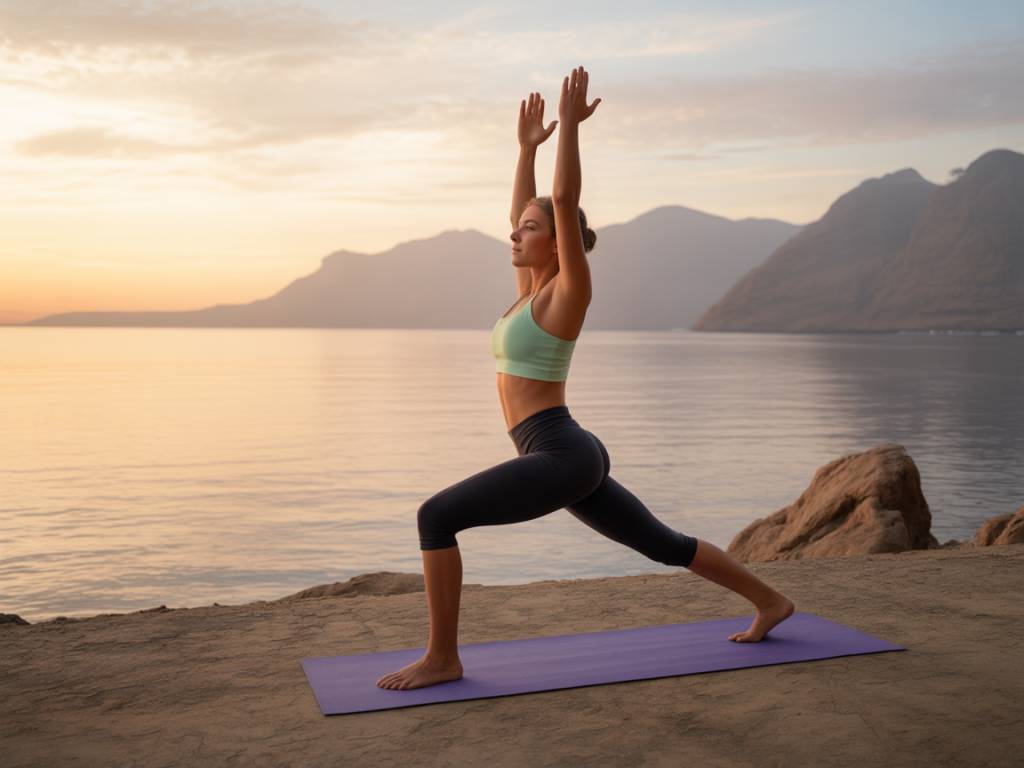
- Standing and balancing poses that cultivate strength and focus (e.g., Warrior series, Tree Pose)
- Core-strengthening work introduced progressively
- Pranayama practices that energize, such as Kapalabhati (for those who tolerate it well)
Psychologically, this phase often brings a sense of optimism and openness to challenge, which can be channeled into learning and growth on the mat.
During the Ovulatory Phase
Many women feel at their physical and social peak in the days around ovulation. This can be an opportune moment to explore more advanced postures, longer holds, or faster-paced flows.
- Dynamic vinyasa or power yoga that safely elevates heart rate
- Arm balances and inversions if they feel accessible and well-supported
- Partner yoga or group classes that capitalize on social connection
- More challenging standing sequences that build heat and confidence
Because joint laxity may be slightly increased in some women during this phase, it is still important to warm up thoroughly and avoid forcing flexibility beyond healthy limits.
During the Luteal Phase
As progesterone rises, a grounding, stabilizing approach can feel supportive, especially in the later luteal days. Early luteal days may still tolerate moderate intensity quite well.
- Slower flows emphasizing alignment and stability
- Longer-held, grounding poses like Warrior II, Triangle, or Bridge
- Gentle twists and forward folds to ease bloating and tension
- Relaxation-focused practices, yoga nidra, or guided body scans toward the end of the phase
Adjusting intensity downward as PMS symptoms appear can help prevent burnout, support nervous system balance, and reduce the sense of “pushing through” fatigue.
Cycle-Syncing Beyond Yoga: Adapting Strength Training and Cardio
Cycle-syncing is not limited to yoga. It can also be applied to strength training, running, cycling, and other forms of exercise to support women’s energy levels and hormonal health.
Strength Training
- Follicular and ovulatory phases: Many women find this the best time for heavier lifts, progressive overload, and more challenging strength sessions.
- Luteal phase: Moderate loads and slightly reduced volume can feel more sustainable, with an emphasis on good form and joint stability.
- Menstrual phase: Light resistance work or mobility training, if any, usually feels more appropriate.
Cardio and Endurance
- Follicular phase: Interval training and moderate-to-high intensity sessions can align well with rising energy.
- Ovulatory phase: Peak performance days for some women; still, prioritize hydration and proper warm-up.
- Luteal phase: Steady-state cardio, walking, hiking, or lower-intensity cycling may feel more manageable, particularly in the late luteal phase.
- Menstrual phase: Gentle walking, short low-intensity sessions, or full rest, depending on symptoms.
Individual responses vary widely, so tracking personal experience is more important than following any universal prescription.
Listening to Your Body: Practical Tips for Personalized Cycle-Syncing
Cycle-syncing is meant to be adaptive, not rigid. The goal is to work with your body’s changing needs rather than against them. A few practical strategies can make this approach more sustainable.
- Track your cycle: Use a menstrual cycle tracking app or a simple calendar to note start dates, symptoms, and energy levels. Over several months, patterns often emerge.
- Rate energy and mood: A quick daily rating of energy, mood, and sleep quality helps you correlate internal states with specific phases.
- Plan, but stay flexible: Use your cycle as a template for planning workouts, but adjust in real time if you feel unusually tired, stressed, or energized.
- Support recovery: Adequate sleep, protein intake, anti-inflammatory foods, and hydration are key allies for hormonal balance and consistent training.
- Monitor menstrual health: Intense or chronic stress and overtraining may affect cycle regularity. Persistent irregularities or severe pain warrant medical evaluation.
A Natural, Body-Literate Approach to Women’s Fitness
Cycle-syncing a yoga and fitness routine encourages a more body-literate, respectful relationship to female physiology. Instead of interpreting fluctuations in energy and motivation as personal failings, this approach frames them as meaningful hormonal signals that can guide training choices.
For many women, integrating cycle awareness into yoga, strength work, and cardio has additional psychological benefits: greater self-compassion, less pressure to perform identically every week, and a renewed appreciation for the body’s cyclical wisdom.
While research on the ideal way to train across the menstrual cycle is still developing, cycle-syncing is an accessible, low-risk strategy that aligns with broader principles of natural health and individualized wellness. By experimenting, keeping records, and staying attentive to your own experience, it is possible to design a yoga and fitness plan that honors hormonal rhythms, stabilizes energy, and supports long-term well-being.