
Why an Evening Ritual Matters for Women’s Hormonal Health
Modern life places constant demands on women’s bodies: packed schedules, screens late at night, irregular meals, and chronic low-grade stress. Over time, this lifestyle can quietly disrupt hormonal balance, affecting sleep, mood, energy levels, menstrual cycles, and even fertility. Establishing a gentle, holistic evening ritual is a simple but powerful way to support women’s hormonal health while also restoring mental and physical energy.
Hormones are not isolated messengers; they work as an intricate network involving the brain, thyroid, adrenals, ovaries, and gut. Quality sleep, stable blood sugar, stress management, and nutrient-dense food choices are all key pillars of natural hormone balance. An intentional evening routine can support these pillars by calming the nervous system, preparing the body for restorative sleep, and encouraging a more mindful relationship with food, rest, and self-care.
Below is a step-by-step holistic evening ritual designed specifically to support women’s hormonal health, reduce stress, and promote deeper sleep. It combines nutrition, herbal allies, light movement, and relaxation techniques, all grounded in gentle, natural strategies.
Set the Stage: Create a Hormone-Friendly Environment
Before focusing on specific practices, begin by shaping your environment. The spaces where you unwind in the evening can either soothe your nervous system or keep it on high alert. For women seeking hormonal balance, an evening environment that signals “it’s safe to relax” is essential.
Consider the following elements:
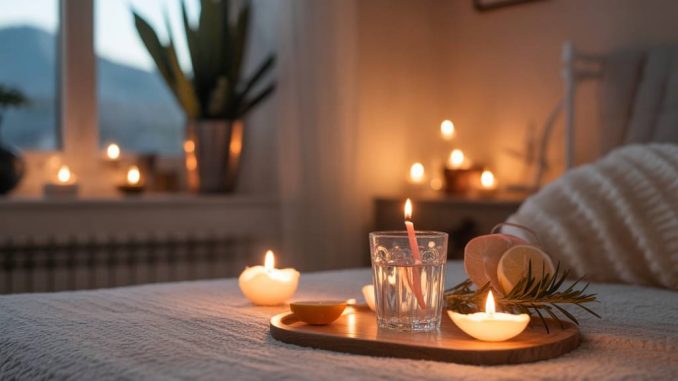
- Dim the lights: Bright artificial light, especially blue light from phones, computers, and TVs, can suppress melatonin, the hormone that helps regulate sleep and supports overall endocrine balance. About an hour or two before bed, lower the lights and, if possible, use warmer bulbs or candles for a softer atmosphere.
- Reduce noise and overstimulation: Background noise from television, constant notifications, or multitasking in the evening can maintain a low-level stress response. Silence unnecessary alerts and choose calming music, a podcast with a soothing tone, or simple quiet.
- Create a dedicated wind-down corner: A cozy chair, a blanket, a diffuser with essential oils like lavender or chamomile, and a small lamp can invite your body into rest mode every evening. Over time, your brain will associate this space with relaxation and safety.
Support Stable Blood Sugar With a Hormone-Friendly Evening Meal
Blood sugar balance is a crucial but often overlooked aspect of women’s hormonal health. Sharp spikes and crashes can exacerbate PMS symptoms, mood swings, fatigue, and sugar cravings. An evening meal that promotes steady blood sugar supports cortisol regulation and can contribute to better sleep and more consistent energy.
When planning dinner, focus on three key elements:
- Quality protein: Include sources such as lentils, chickpeas, organic eggs, wild-caught fish, tempeh, or lean poultry. Protein helps stabilize blood sugar and provides amino acids necessary for hormone production and neurotransmitter synthesis.
- Healthy fats: Choose fats that nourish cell membranes and support hormone production, such as extra virgin olive oil, avocado, nuts, seeds, and small portions of ghee or coconut oil.
- Fiber-rich carbohydrates: Instead of refined carbs, opt for quinoa, brown rice, sweet potatoes, or a colorful variety of vegetables. Fiber supports digestive health and more stable blood sugar response.
Eating your evening meal mindfully—away from screens and multitasking—also improves digestion, which in turn influences estrogen metabolism, gut health, and overall hormonal balance. Aim to finish dinner at least two to three hours before bedtime to allow your body to ease into rest rather than focusing on heavy digestion.
Calming Herbal Tea Ritual for Hormonal Balance
A warm, herbal infusion can become a central anchor of your holistic evening ritual. Many traditional herbs are used to support relaxation, digestion, and women’s hormonal health. The preparation itself—boiling water, steeping herbs, inhaling the aroma—encourages a slower pace and signals the nervous system that the day is ending.
Common herbs often chosen for the evening include:
- Chamomile: Well known for its calming properties, chamomile may help ease tension and support better sleep quality.
- Lemon balm: Traditionally used to promote relaxation, lemon balm can be especially helpful for women who feel mentally overstimulated at night.
- Lavender: Its floral aroma has a long history of use for relaxation and sleep support.
- Passionflower: Often used for a racing mind at bedtime, passionflower can be a gentle ally for emotional restlessness.
- Spearmint (in moderation): Sometimes highlighted in women’s wellness conversations, spearmint tea is occasionally discussed in relation to androgen balance; however, individual reactions vary and it’s wise to introduce it gradually.
Always check with a healthcare professional or herbal specialist if you are pregnant, breastfeeding, taking medication, or managing a medical condition before incorporating new herbs regularly. Herbal approaches can complement but not replace medical treatment when needed.
Gentle Evening Movement to Soothe the Nervous System
Intense, late-night workouts can keep cortisol elevated and delay sleep. For hormone health, evenings are generally better suited for gentle movement that releases tension accumulated throughout the day without overstimulating the body.
Some supportive options include:
- Restorative yoga: Focus on long-held, supported poses that open the hips, chest, and shoulders. These areas often store stress and emotional tension, especially for women juggling multiple responsibilities.
- Light stretching: A simple 10–15 minute routine can loosen tight muscles in the neck, lower back, and hips, which often become tight from sitting or standing for long periods.
- Slow, mindful walking: A short, quiet walk after dinner can support digestion, improve circulation, and allow time to mentally process the day.
The goal is not to burn calories but to shift the body out of “fight or flight” and into “rest and digest.” This shift supports hormonal balance by easing pressure on the adrenal glands and allowing the body to reallocate resources to repair and regeneration during the night.
Digital Sunset: Protecting Melatonin and Circadian Rhythm
The body’s internal clock, or circadian rhythm, governs the natural ebb and flow of hormones throughout the day and night. Melatonin, produced in response to darkness, helps regulate sleep and interacts with other hormones such as cortisol, insulin, and reproductive hormones.
Blue light from screens interferes with melatonin production, making it harder to fall asleep and potentially impacting hormone regulation over time. As part of your evening ritual, experiment with a “digital sunset.”
- Set a screen curfew: Aim to stop using phones, tablets, and laptops at least 60 minutes before bed. If this feels impossible at first, start with 20–30 minutes and extend gradually.
- Use night mode or blue light filters: If you must use devices, enable settings that reduce blue light and lower brightness.
- Replace scrolling with analog activities: Choose a printed book, journaling, gentle stretching, or listening to an audiobook instead of social media or email.
Protecting your circadian rhythm in this way supports more consistent sleep patterns and can positively influence mood, appetite regulation, and menstrual cycle regularity over time.
Journaling and Emotional Release for Hormonal Harmony
Emotional stress is closely linked to hormonal health. Chronic worry and unprocessed emotions can keep cortisol elevated and make it harder for the body to prioritize reproductive and thyroid hormones. A short journaling practice can help discharge mental tension before sleep.
You might try:
- Gratitude journaling: List three events or moments you appreciated during the day, no matter how small. This simple practice can gently shift the nervous system toward a state of safety and contentment.
- “Brain dump” writing: Spend five minutes writing down all your thoughts, worries, and unfinished tasks. You do not need to organize or edit. This act alone helps the mind feel less burdened.
- Cycle-awareness notes: For menstruating women, briefly tracking mood, energy, cravings, and physical sensations across the month can reveal patterns related to hormonal shifts, informing more personalized self-care strategies.
Breathwork and Relaxation for Deep Rest
At the heart of any holistic evening ritual is the transition from sympathetic (stress) dominance to parasympathetic (relaxation) dominance. Simple breathing exercises can be surprisingly effective in nudging the body toward deep rest and supporting hormone balance through improved sleep quality.
Consider incorporating one of these techniques:
- Extended exhale breathing: Inhale gently through the nose for a count of four, then exhale through the nose for a count of six or eight. Longer exhales help stimulate the parasympathetic nervous system.
- Box breathing: Inhale for four counts, hold for four, exhale for four, hold for four. Repeat for a few minutes, focusing on the feeling of the air entering and leaving the body.
- Body scan relaxation: While lying in bed, mentally scan your body from head to toe, inviting each area to soften and release tension. This mindful connection supports both emotional and physical unwinding.
Practicing these exercises regularly can help improve sleep onset and quality, which are foundational for hormonal resilience.
Consistent Sleep and Gentle Self-Observation
One of the most impactful habits for women’s hormonal health is maintaining a relatively consistent sleep schedule. Going to bed and waking up at similar times each day supports the circadian rhythm, stabilizes cortisol patterns, and can positively influence reproductive hormones and metabolism.
As you experiment with this holistic evening ritual, pay attention to subtle shifts: energy levels upon waking, mood changes across your menstrual cycle, cravings, and how quickly you fall asleep. These observations can help you tailor your ritual to your unique needs, whether that means emphasizing more relaxation techniques, optimizing your evening meal, or extending your digital detox.
A holistic evening ritual does not need to be perfect or complicated. Even a simplified version—herbal tea, a brief stretch, five minutes of journaling, and a short breathing practice—can offer meaningful support for women’s hormonal health over time. By consistently creating space for rest and repair at the end of each day, you invite your body to restore its natural rhythms, replenish energy, and nurture long-term wellbeing.
This article is informational and does not replace medical advice. Women experiencing persistent hormonal symptoms, severe pain, irregular cycles, or significant mood changes should seek guidance from a qualified healthcare professional to explore personalized evaluation and care.